Emotional regulation is the foundation for meaningful change.
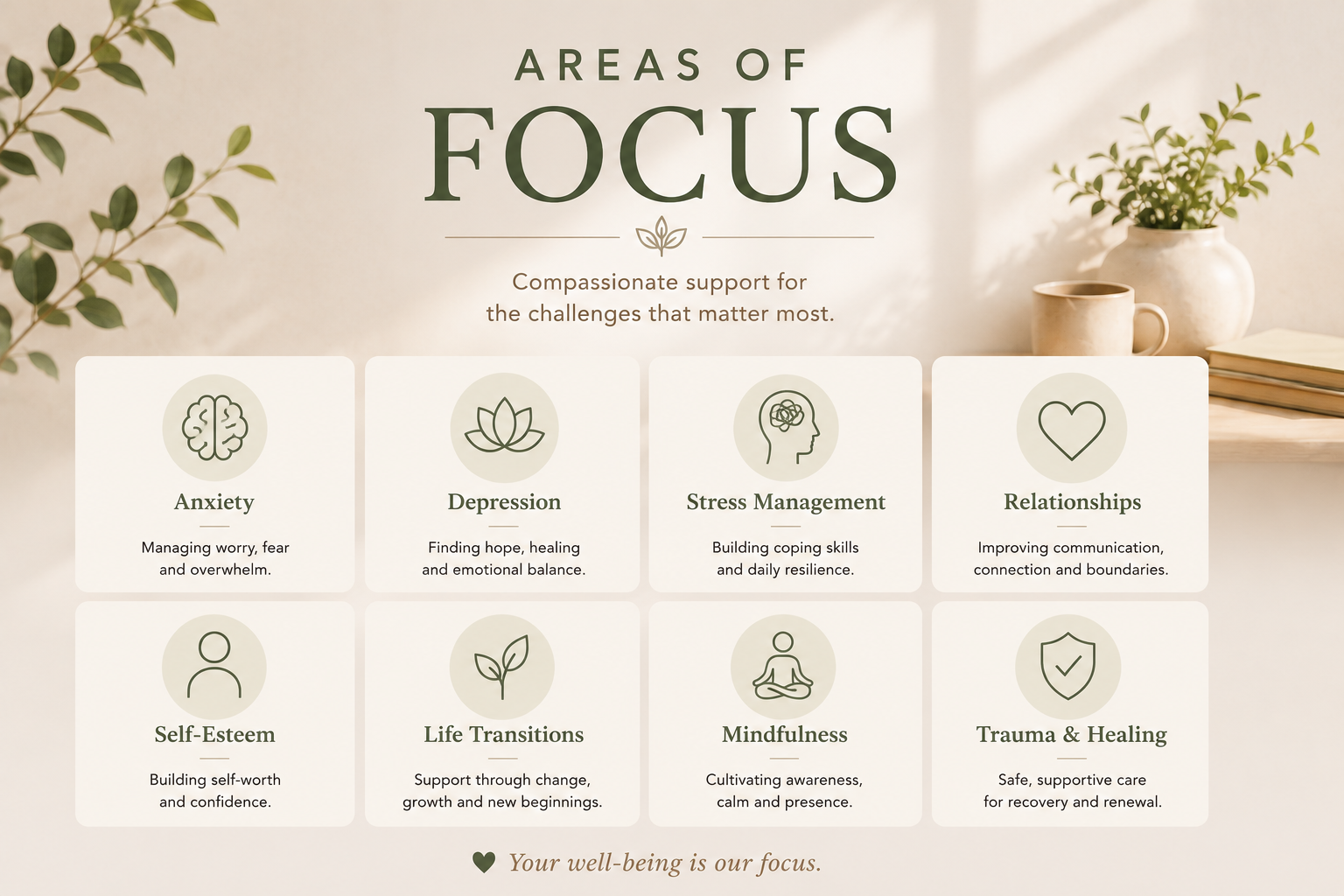
Whether you are navigating Type 1 diabetes, ADHD, anxiety, chronic illness, or a major life transition, life’s challenges become far more manageable when you learn to understand and respond to your emotions in healthier ways.
Together, we will:
Identify the underlying patterns that keep you feeling stuck.
Strengthen your practical coping strategies.
Build tools to help you feel calmer, more confident, and in control of your life.
Key Focus Areas
Emotional Regulation
Emotional regulation isn’t about eliminating difficult emotions—it’s about learning to understand them, respond effectively, and make choices aligned with your values. Whether you struggle with anxiety, frustration, or burnout, therapy provides a space to build long-term resilience.
Type 1 Diabetes & Health Management
Living with Type 1 diabetes involves far more than tracking numbers. The constant decision-making and emotional weight often lead to diabetes distress, burnout, and anxiety. Having both personal understanding and clinical experience with T1D, I help individuals and caregivers navigate the daily demands of diabetes, reduce distress, and improve overall quality of life.
Treatment Approaches
CBT (Cognitive Behavioral Therapy)
CBT helps identify the link between thoughts, feelings, and behaviors. In sessions, we work on recognizing unhelpful thinking patterns and developing more balanced, effective ways of responding.
DBT (Dialectical Behavior Therapy)
DBT focuses on emotional regulation, distress tolerance, mindfulness, and communication. I help clients build practical tools to manage intense emotions and respond more effectively in relationships and stressful situations.
EMDR (Eye Movement Desensitization and Reprocessing)
EMDR supports the processing of distressing or traumatic experiences. It helps reduce emotional intensity tied to past experiences and supports the brain in reprocessing them in a more adaptive way.
Motivational Interviewing (MI)
Motivational Interviewing is a collaborative approach that helps you explore ambivalence, clarify goals, and strengthen your own motivation for change. I guide conversations that help you identify what matters most to you and what might be getting in the way.
SERVICES